Yamunotri is more than just a destination; it signals the beginning of an incredible journey. Yamunotri, the revered source of the sacred Yamuna River and the westernmost shrine on Uttarakhand's Chardham Yatra, offers a unique combination of spiritual intensity, raw natural beauty, and a test of endurance. It's a location where the air is thin but full of dedication, the mountains are stern but protective, and the hot springs contrast with the icy glacier waters, making for a spiritually nourishing and physically stimulating encounter.
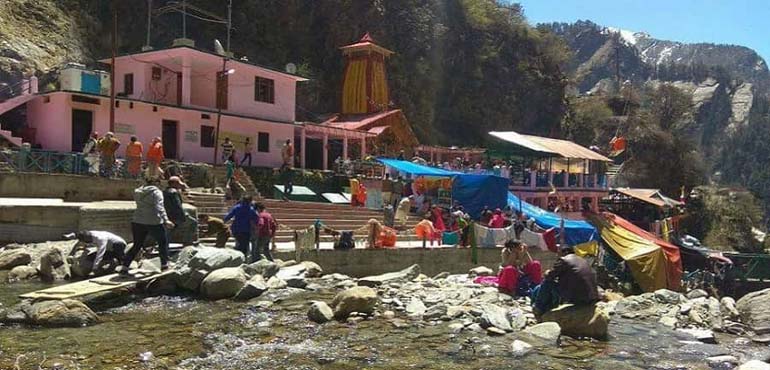
In Hindu mythology, the Yamuna River is personified as Surya's daughter and Yama's sister. It is thought that taking a ritual bath in her holy waters saves followers from a painful or premature death, relieving them of the uncertainty of mortality. The temple in Yamunotri, dedicated to the Goddess Yamuna, is a testimony to this old religion.
Maharani Guleria of Jaipur erected the existing temple in the 19th century, and it is a remarkable example of Himalayan temple construction. Its dark granite stone exterior is in stark contrast to the surrounding white peaks and rushing river. While the real glacier source is a tough climb further up, the shrine includes a black marble idol of the goddess, where pilgrims offer their prayers. The spiritual energy here is palpable. The incessant chanting of hymns, the ringing of temple bells, and the unflinching faith of 100s who brave the rough terrain foster a sense of intense dedication and collective purpose.
Reaching Yamunotri is a true pilgrimage that requires both planning and physical work. The tour usually begins in the towns of Dehradun or Rishikesh. The road winds through lovely settlements such as Barkot before reaching the hamlet of Janki Chatti, which serves as the base camp for the final ascent.
A hard 6-kilometer hike from Janki Chatti separates the pilgrim from the innermost sanctorum. This road, while well-planned, is a test of determination. You can choose to walk, hire a pony, or be carried in a palanquin by local porters. Each step leads you closer to the heavens, with the majestic Himalayas as a stunning backdrop. The sound of the Yamuna rushing along the route is a constant companion, its waters icy blue and furious from the glacier. The trip itself is a sort of meditation—a physical activity that cleanses the body and concentrates the mind on the ultimate objective.
Yamunotri's most remarkable natural marvel, Surya Kund, a thermal spring named after the Sun God, is located just below the temple. This pool of scorching hot water, gushing out from the depths of the earth, is a spectacular sight in the frigid mountain climate. Pilgrims prepare rice and potatoes in its hot water, wrap them in linen, and immerse them in the spring. This cooked dish, offered to the deity as prasad, is regarded extremely auspicious.
Before entering the temple, it is customary to pay respects to the Divya Shila, a granite pillar that rises near the Kund. Before entering the main shrine, followers worship this divine stone, which is supposed to be a manifestation of the goddess' power. The ritual of taking a dip in nearby warm-water springs (a combination of hot spring and cold river water) acts as both a practical cleansing act and a symbolic purification of the soul prior to darshan.
For the adventurous and spiritually inclined, the journey does not finish at the temple. The true source of the Yamuna River is 1 kilometer upstream at the frozen lake of Saptarishi Kund and the Champasar Glacier, which is located at an elevation of over 4,421 meters. This journey is difficult and should only be attempted by experienced trekkers with a guide due to the dangerous glacial pathways. However, the reward is an undisturbed, pure environment of astounding beauty—a silent, frozen world where the great river begins its long trip to the plains.
The Yamunotri temple opens on the auspicious day of Akshaya Tritiya (usually in late April or early May) and closes on Yama Dwitiya (the second day after Diwali in October or November). The best times to visit are in the summer (May to June) and after the monsoon season (September to October), when the weather is pleasant and the skies are clear.
Accommodation options in Janki Chatti and Hanuman Chatti include guesthouses and GMVN rest houses.
Pack essentials such as warm clothes, raincoat, strong trekking shoes, walking stick, first-aid kit, and energy snacks.
To avoid Acute Mountain Sickness (AMS), spend a day at the base camp to acclimate to the high altitude.